
What Is a Gorilla Trekking Safari?
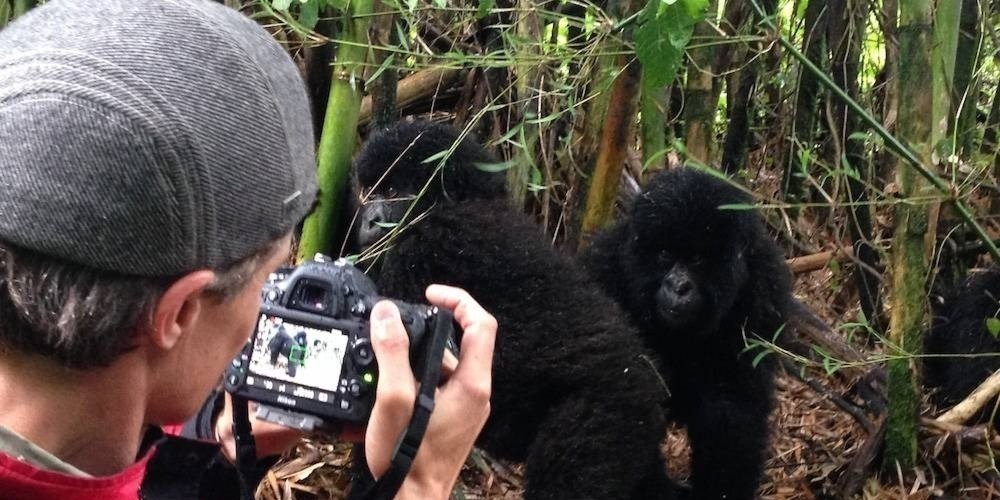
A gorilla trekking safari is unlike any other wildlife experience in the world. There are no vehicles, no open-air game drives, no distance between you and the animal. Instead, you pull on your boots before dawn, follow a ranger deep into ancient montane forest, and at some point — sometimes after twenty minutes, sometimes after seven hours — the undergrowth parts and you find yourself standing metres away from a family of wild mountain gorillas.
The world's entire population of mountain gorillas — approximately 1,000 individuals — exists only in three countries: Uganda, Rwanda, and the Democratic Republic of Congo. They cannot be found in any zoo. You cannot see them anywhere else on Earth. That rarity, combined with the intimacy of the encounter, is why travellers consistently describe gorilla trekking as the single most powerful wildlife experience of their lives.
At Africa Gorilla Trekking Safaris, we are specialists in this single extraordinary experience. We operate across all three gorilla destinations — Bwindi Impenetrable Forest in Uganda, Volcanoes National Park in Rwanda, and Virunga National Park in the DRC — and we have crafted this definitive guide to help you understand every dimension of planning your perfect gorilla safari.
Seeing a silverback mountain gorilla in the wild is not a wildlife sighting. It is a reckoning — a moment that makes you deeply aware of what we share with the rest of the living world.
The Three Gorilla Destinations in Africa
Mountain gorillas are confined to a narrow band of high-altitude forest straddling the borders of Uganda, Rwanda, and the DRC. Each of the three countries offers a distinct trekking experience — different terrain, different prices, different atmospheres. Here is your at-a-glance introduction to each:
Gorilla Trekking in Uganda
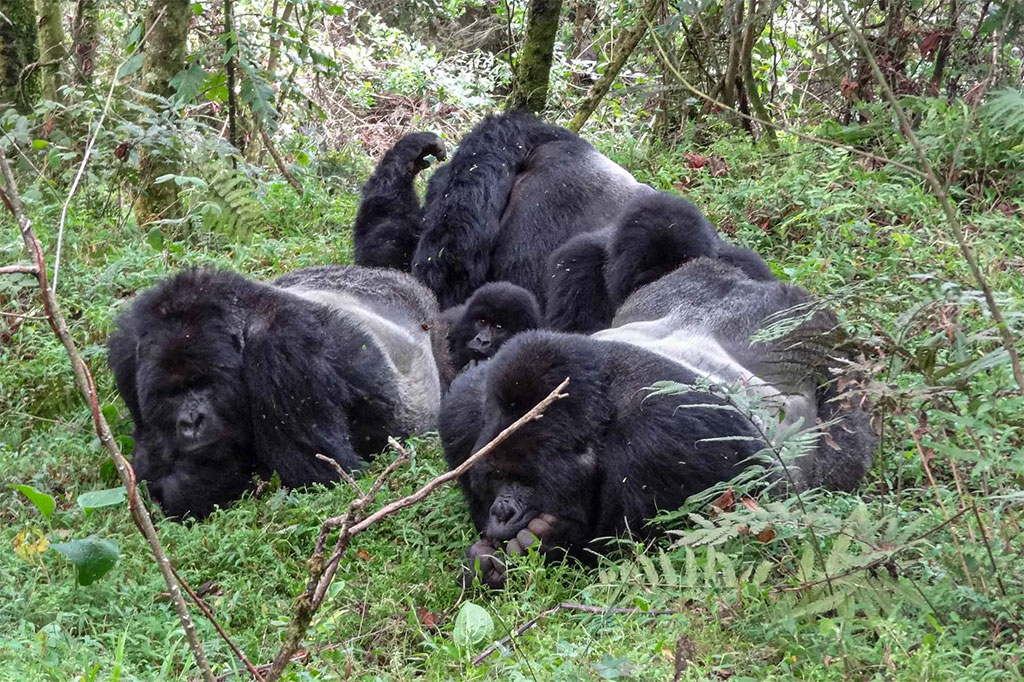
Uganda is the world's gorilla trekking capital. Bwindi Impenetrable National Park — a UNESCO World Heritage Site in the country's mountainous southwest — shelters over half the world's entire mountain gorilla population across four trekking sectors: Buhoma, Rushaga, Ruhija, and Nkuringo. With more than 20 habituated gorilla families available for visits, Uganda offers the highest daily permit availability anywhere on Earth — meaning your chances of securing permits, even on shorter notice, are the best of the three destinations.
The name "Impenetrable" is no exaggeration. Bwindi's forest is dense, ancient, and primordial. Treks can range from 45 minutes to a full day depending on where the gorilla family has chosen to settle. But the terrain — however demanding — only adds to the sense of true wilderness that makes Uganda's gorilla trekking so emotionally resonant.
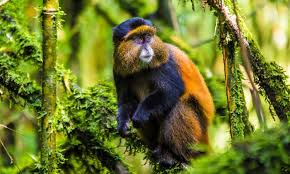
Uganda also offers Mgahinga Gorilla National Park, tucked into the volcanic Virunga mountains on the borders of Rwanda and DRC. Here, the Nyakagezi gorilla family roams three volcanic peaks — and Mgahinga also offers the chance to track golden monkeys, Uganda's other rare primate jewel.
One of Uganda's greatest strengths is the safari combination it enables. A Uganda gorilla safari can be woven together with chimpanzee tracking in Kibale Forest National Park, big game drives in Queen Elizabeth or Murchison Falls National Parks, Nile cruises, and Batwa cultural encounters — creating one of Africa's most diverse and complete safari itineraries. Explore our full range of Uganda gorilla trekking tour packages.
🇺🇬 Uganda At a Glance
- Parks: Bwindi Impenetrable NP (4 sectors) + Mgahinga Gorilla NP
- Permit cost: USD $800 per person (foreign non-residents)
- Habituated families: 20+ across Bwindi; 1 at Mgahinga
- Trek duration: 2–8 hours (highly variable)
- Best combined with: Kibale chimps, Queen Elizabeth, Murchison Falls, Lake Bunyonyi
- Permits issued by: Uganda Wildlife Authority (UWA)
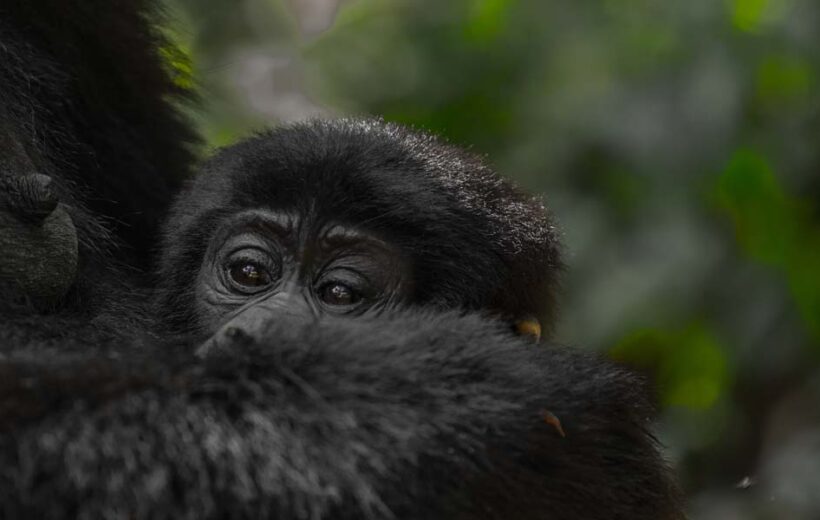
Gorilla Trekking in Rwanda
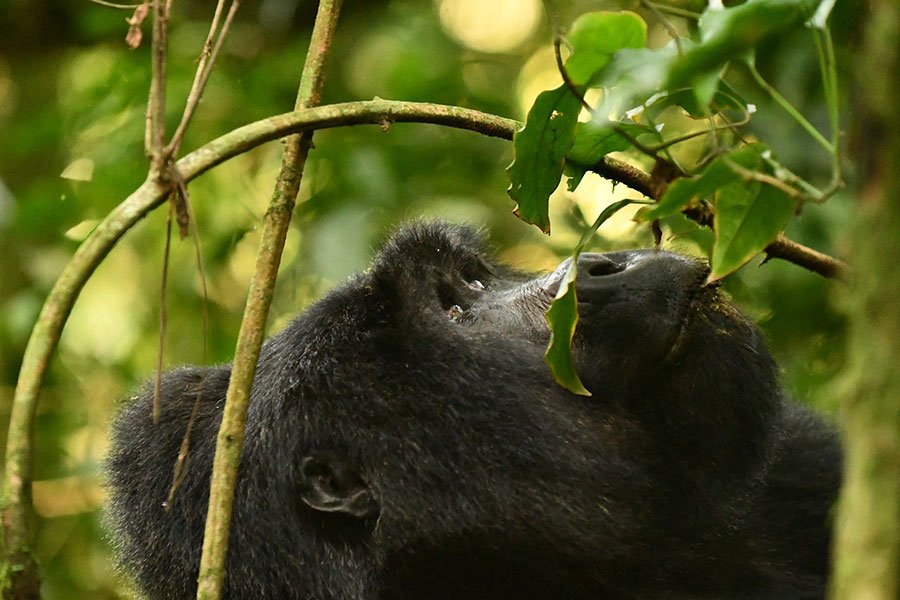
Rwanda's gorilla trekking experience is set against one of Africa's most dramatic backdrops: the conical Virunga volcanoes rising through bamboo forest and Afro-alpine moorland in Volcanoes National Park. Ten habituated gorilla families live here, including the legendary Susa group — the largest in the region and the one that inspired Dian Fossey's landmark research. Rwanda's gorilla trekking has an almost mythological quality to it: you feel the weight of history at every step.
The treks in Rwanda tend to be shorter on average than in Uganda's Bwindi — many visitors reach their gorilla family within 2 to 4 hours — though steep terrain in the upper bamboo zones can make even shorter treks physically demanding. The briefing grounds at Kinigi are well-organised, the park is immaculately managed, and the whole experience feels polished and purposeful.
Rwanda's gorilla permit costs USD $1,500 per person — the highest of any gorilla destination — but the experience justifies it. Combined with Kigali's growing reputation as one of Africa's most dynamic, safe, and clean cities, Rwanda has positioned itself as the continent's premier gorilla trekking destination for luxury travellers. Browse our Rwanda gorilla safari packages, including golden monkey tracking add-ons in the same park.
🇷🇼 Rwanda At a Glance
- Park: Volcanoes National Park, northwestern Rwanda
- Permit cost: USD $1,500 per person (all international tourists)
- Habituated families: 10 families
- Trek duration: 2–5 hours (generally shorter than Uganda)
- Best combined with: Golden monkeys, Dian Fossey tomb hike, Kigali city tour, Akagera NP
- Permits issued by: Rwanda Development Board
Gorilla Trekking in DR Congo
Congo is gorilla trekking for the true adventurer. Virunga National Park — Africa's oldest national park and a UNESCO World Heritage Site — sits in eastern DRC along the borders with Rwanda and Uganda. It is one of the most biodiverse places on the planet, sheltering mountain gorillas in the Mikeno sector alongside active volcanoes, chimpanzees, hippos, and the critically endangered okapi.
Congo's gorilla permit is the most affordable of the three countries at USD $400 per person, and some travellers describe Virunga's gorilla encounter as the rawest and most extraordinary of all — precisely because of how remote and wild the setting feels. However, the DRC's security situation has historically been volatile, and travel advisories should be consulted before booking. Our team monitors conditions on the ground continuously, and we only operate in the Mikeno sector when it is confirmed safe.
Congo also offers the unique opportunity to see lowland gorillas at Kahuzi-Biega National Park — a different subspecies from the mountain gorillas of Bwindi and Volcanoes NP, but no less remarkable. Explore our Congo gorilla safari options for more details.
🇨🇩 DR Congo At a Glance
- Parks: Virunga NP (mountain gorillas) + Kahuzi-Biega NP (lowland gorillas)
- Permit cost: USD $400 per person (Virunga mountain gorillas)
- Trek duration: 2–6 hours
- Best combined with: Nyiragongo volcano hike, chimp tracking, Lake Kivu boat cruise
- Special note: Always check current security advisories before travel — our team advises on all conditions
Uganda vs Rwanda vs Congo — Full Comparison
Choosing between the three gorilla destinations is the most common question we receive. Here is a comprehensive side-by-side breakdown to help you decide — or to make the case for doing all three:
| Factor | 🇺🇬 Uganda | 🇷🇼 Rwanda | 🇨🇩 DR Congo |
|---|---|---|---|
| Permit Cost | USD $800 | USD $1,500 | USD $400 |
| Main Park | Bwindi + Mgahinga | Volcanoes NP | Virunga NP |
| Habituated Families | 20+ families | 10 families | 8 families |
| Trek Difficulty | Moderate–Strenuous | Moderate | Moderate–Strenuous |
| Avg Trek Duration | 2–8 hours | 2–5 hours | 2–6 hours |
| Security | Very stable | Very stable | Variable — check advisories |
| Best For | Value, diversity, long safaris | Luxury, shorter trips | Adventure, budget-conscious |
| Combine With | Big Five, chimps, Nile | Golden monkeys, Kigali | Volcanoes, lowland gorillas |
Best Time for an Africa Gorilla Safari
Gorilla trekking is available year-round across all three destinations, but the experience — and the trail conditions — vary significantly by season. Understanding the climate cycles of East and Central Africa helps you plan smarter.
☀️ June – September — Peak Dry Season (Best Overall)
- Firmest trails and lowest rainfall across all three destinations
- Best photography light — golden afternoon sun filters through the canopy
- Highest demand: book gorilla permits 6–9 months ahead, especially for Rwanda
- Perfect for combining Uganda gorillas with a Serengeti or Masai Mara extension
- Slightly cooler at Bwindi's altitude (2,400m+) — mornings can be cold
❄️ December – February — Short Dry Season
- Excellent conditions with meaningfully fewer crowds than peak season
- Uganda gorillas often found at lower elevations — shorter treks on average
- Good window for Rwanda permits — 3–4 months' notice often sufficient
- Fantastic birding across all three countries during this period
🌧️ March–May & October–November — Rainy Seasons
- Dramatically lush, vivid-green forests — spectacular photography in a different way
- Fewer tourists; lower lodge rates; permits easier to secure last-minute
- Trails are muddy and slippery — waterproof boots, gaiters, and poles are essential
- The gorillas are there regardless of weather — the encounters are just as extraordinary
- Best value window for budget-conscious travellers across all three destinations